Peter the Great founded the city as the new capital of the newly established Russian Empire in 1703. It is a major seaport for the landlocked empire.
The new St. Petersburg is the center of Westernization for a non-Western country. Peter establishes western-style schools, a shipyard, a new Western-style army and navy.

Lindsey Hughes compares Peter the Great's portrait as a secular emperor to the portrait of his father Alexey Romanov, still medieval theocratic tsar, in order to exemlify the revolutionary change Peter made in Russian culture.
Peter the Great also considered prince Alexander Nevsky, who defeated Swedish and German knights in 1240 and 1242, his inspiration in his imperial expansion. Peter moved the remains of the prince and saint to St. Petersburg and established a monastery in his name. Stalin and Putin also view themselves as rulers who continue the imperial adventures of St. Alexander Nevsky.

In 1764, Catherine the Great sets up the first school for women: Smolny Institute. The decree says that the institute should "give the state educated women, good mothers, useful members of the family and society."
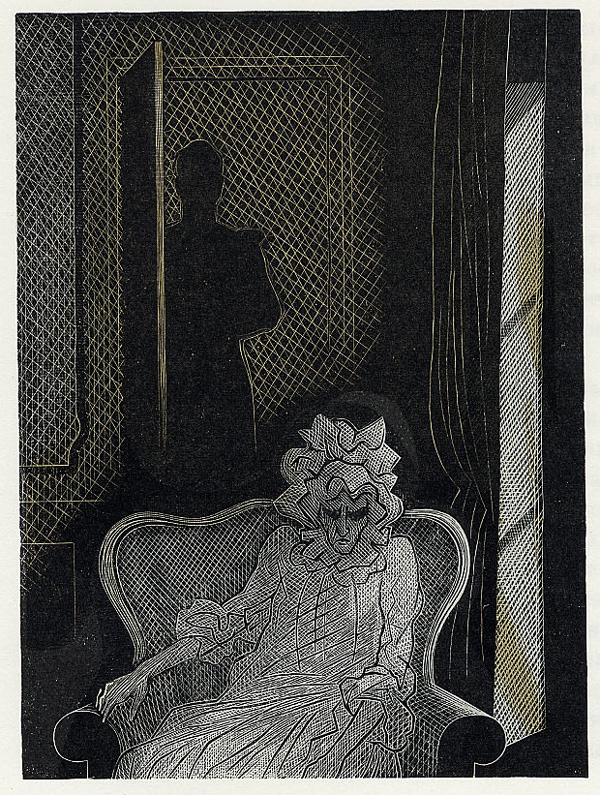
St. Petersburg is the birthplace of Russian literature and the setting of many short stories and novels. Many fantastic tales, as Tzvetan Todorov defines it, are set in St. Petersburg. For example, Pushkin's "Queen of Spades" (1833), Gogol's "Night before Christmas" (1832) and "The Nose" (1836).